Quarvenford — Arrange, Classify, and Review Digital Information
Quarvenford provides a structured environment where users can organise, categorise, and inspect digital information systematically. The service is designed to bring clarity to complex information sets through a coherent, guided interface.
A dedicated space for structured information work
Quarvenford is an information-organisation service that gives users a clear, structured way to engage with digital information. Rather than presenting data in isolation, the platform organises it into logical groupings and reviewable formats, helping users understand what is available and how it relates to their needs.
The service focuses on three core activities: classifying information according to user-defined or system-defined categories, reviewing the resulting organised views, and navigating through related information clusters. Each of these activities is supported through the platform's interface design and underlying data-handling approach.
Quarvenford does not make decisions on behalf of users. Instead, it presents information in a form that allows users to draw their own conclusions, request further detail, or contact the support team for assistance.
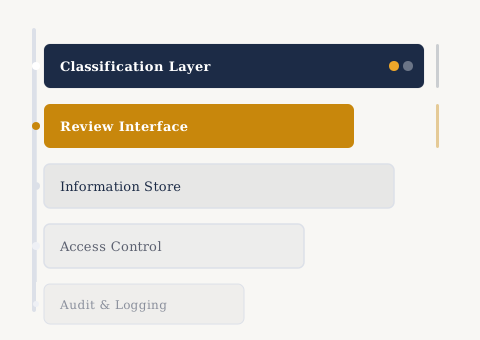
Three principal areas of function
The Quarvenford platform is built around three interconnected activities. Each supports a different aspect of how users engage with structured digital information.
Classifying Information
The platform helps users assign information items to categories, making large sets of data easier to navigate and query. Classification can follow predefined schemas or user-established groupings, depending on how the service has been configured for a given context.
Reviewing Organised Views
Once information has been classified, users can access structured review screens that display categorised content in a consistent layout. These views are designed to facilitate comparison, verification, and a methodical reading of available information.
Navigating Related Content
Quarvenford maintains links between related information items, enabling users to move through connected content without losing context. Navigation paths are generated from the structure of the underlying information rather than from fixed menus alone.
A clear process from intake to review
The Quarvenford service follows a consistent process when handling information. Understanding this process helps users know what to expect at each stage.
-
Information is received and acknowledged
When a user submits information or an access request, the system logs the submission and provides a reference for follow-up. The support team reviews incoming requests during working hours.
-
Content is assigned to classification categories
The platform processes submitted information according to available classification schemas. Items are assigned to categories based on their content type, source, or user-defined labels where applicable.
-
Organised views are made available for review
Classified information is presented through the platform's review interface. Users can inspect organised views, compare items within a category, and navigate to related content clusters.
-
Support is available throughout the process
If a user encounters difficulty at any stage — whether in understanding a classification result, locating information, or interpreting a review screen — the support team is available via the enquiry channel.
Find out more about Quarvenford
The pages below provide detailed information about the platform's scope, the functions available to users, and how to make contact.
Platform Overview
Read about what Quarvenford does, how the service is positioned, and what users should understand before requesting access.
Platform Functions
Explore the specific functions available through the Quarvenford interface, from classification tools to guided review workflows.
Submit an Enquiry
Contact the support team with questions, requests for access, or queries about how a particular function operates.